
Basmati rice has always been one of my favorite ingredients to cook with. There is something special about those long, fragrant grains when they turn out light and fluffy.
But I will be honest, getting that perfect texture was not something I mastered right away. A few times I ended up with rice that was either sticky or overcooked.
Because of that, I spent a couple of days in my kitchen experimenting with different ways to cook basmati rice and testing several recipe ideas. I wanted to see which combinations actually work well and which ones are worth sharing.
So this is not just a random AI style list of recipes. Every dish in this guide comes from my own testing and practice at home. My goal is to show you simple ways to turn basmati rice into flavorful meals. So try to read until the end.
Let’s dive in.
🔥 Estimate how many calories you need per day (try for free)Daily Calorie Calculator
1. Simple Steamed Basmati Rice
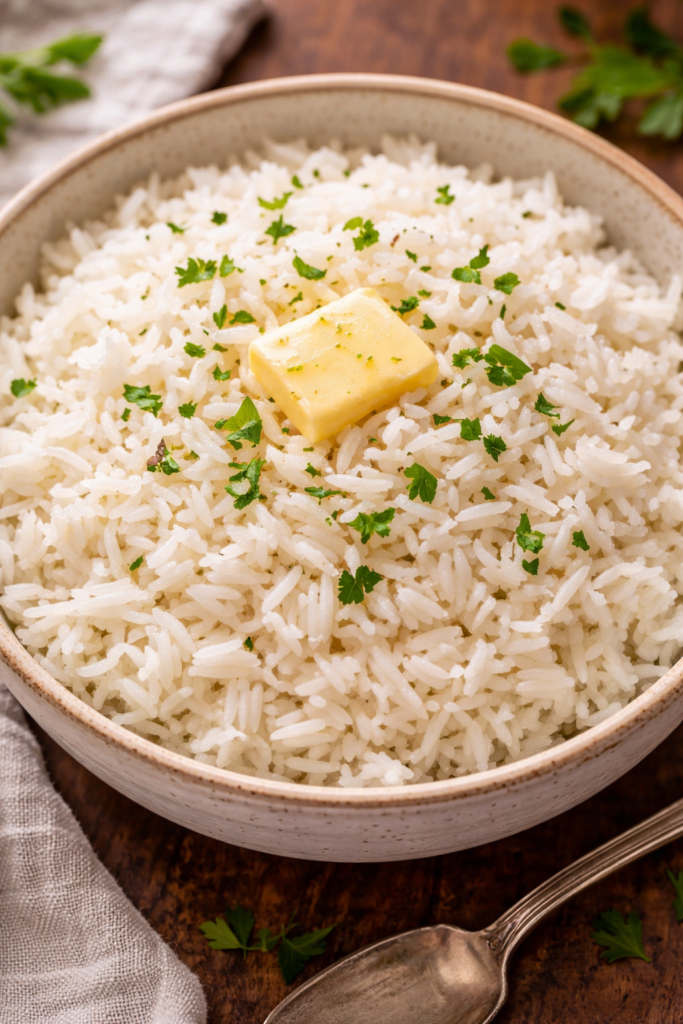
The most important thing is learning the base. Honestly, if you master plain rice, you can cook anything. This is the foundation for all our long-grain meals.
Ingredients
-
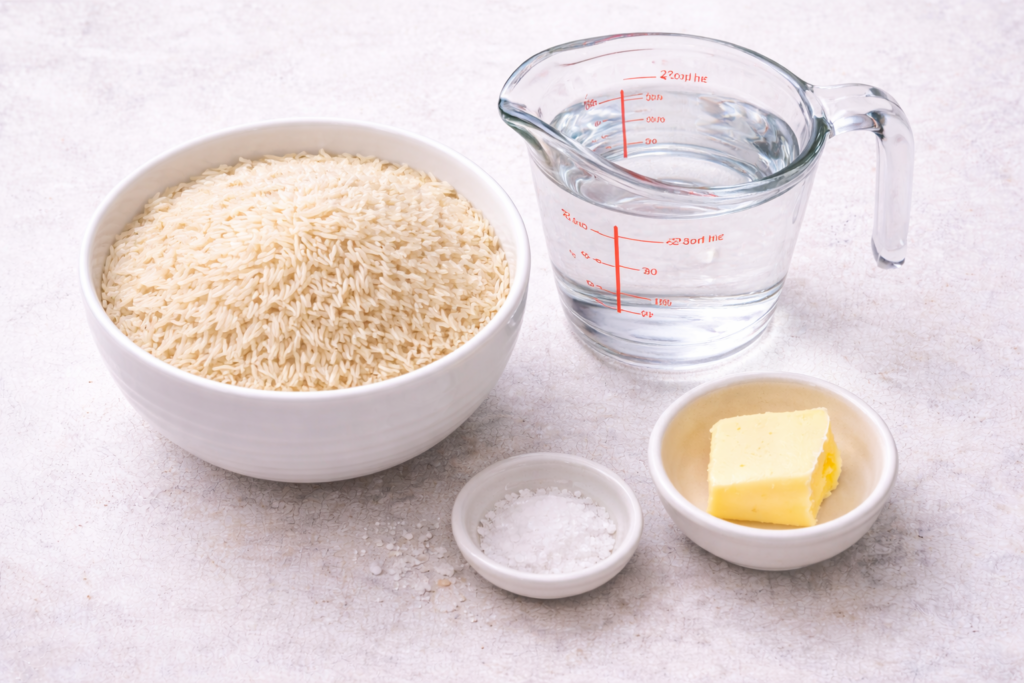
1 cup of basmati rice
-
2 cups of water
-
A pinch of salt
-
1 teaspoon of butter or oil
Step by Step
First, you must wash the rice. This is the secret to non-sticky grains. Rinse it under cold water until the water looks clear. Trust me, this makes a huge difference.
Then, put the rice and water in a pot. Add your salt and oil. Turn the heat to high. Once it starts to bubble, turn the heat to the lowest setting. Cover the pot with a tight lid.
Wait for 12 minutes. Do not open the lid. After the time is up, turn off the heat. Let it sit for 5 more minutes. Use a fork to fluff it up. There you have it.
2. Turmeric Yellow Rice
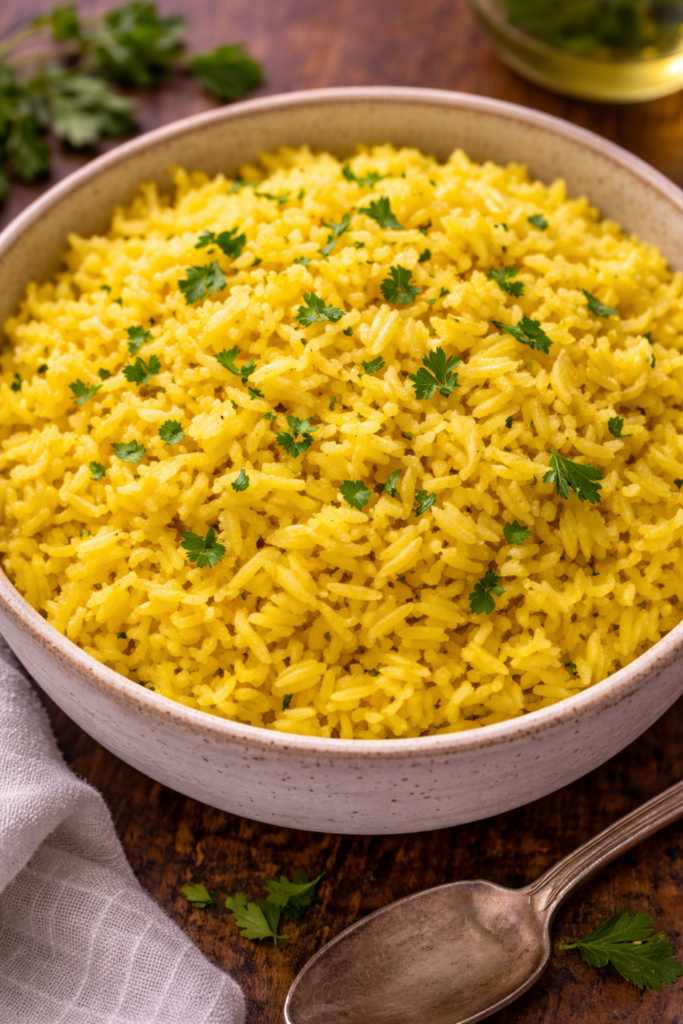
Do you want to add some color to your plate? This yellow rice is beautiful and healthy. I love how it looks next to grilled chicken or fish.
Ingredients
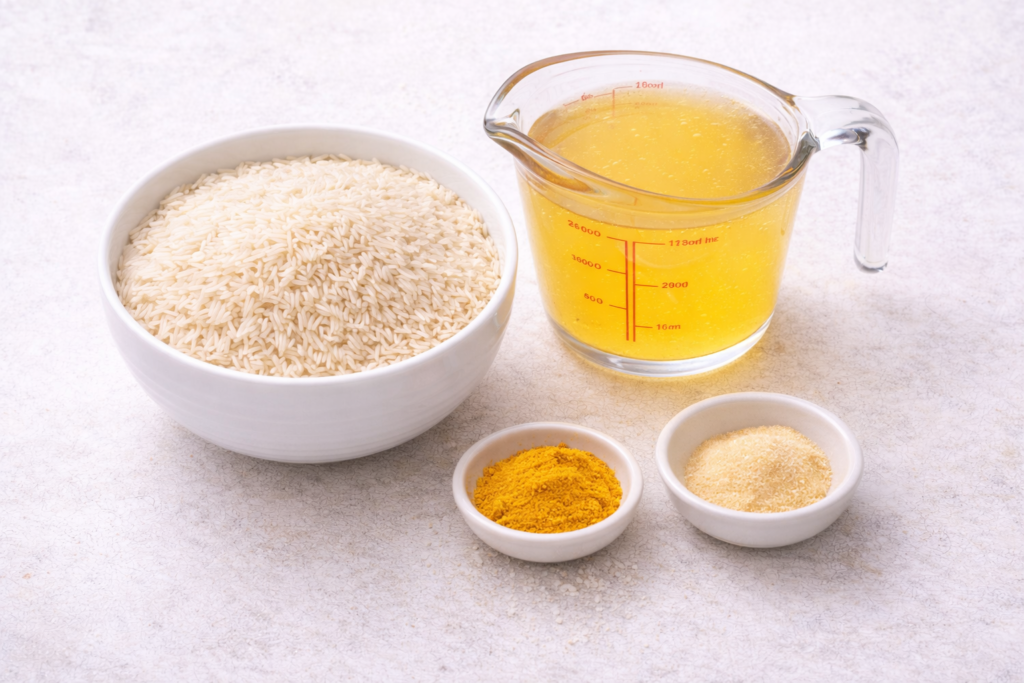
-
1 cup of rice
-
Ground turmeric
-
Garlic powder
-
Chicken or vegetable broth
Step by Step
Instead of plain water, we will use broth. This adds so much flavor. Add half a teaspoon of turmeric to the liquid. This gives the rice a bright yellow color.
Actually, turmeric is very good for your body too. Cook the rice just like the first recipe. The smell of garlic and turmeric together is wonderful. You will love this version.
3. Easy Vegetable Fried Rice
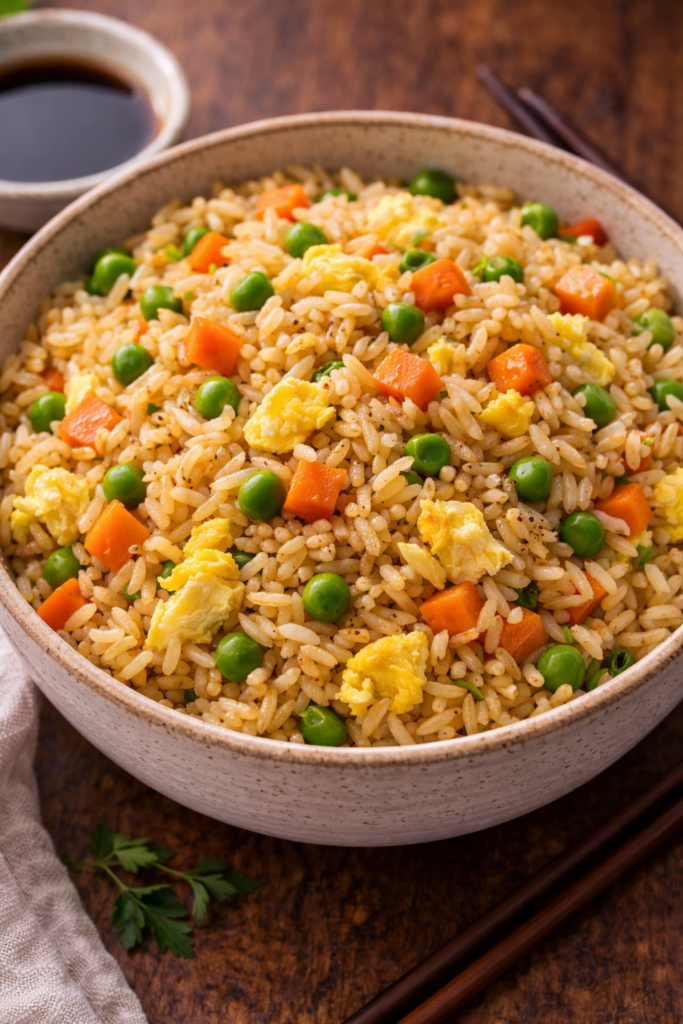
Many people find that leftovers make the best fried rice. I agree. If you have cold rice in the fridge from yesterday, this recipe is for you.
Ingredients
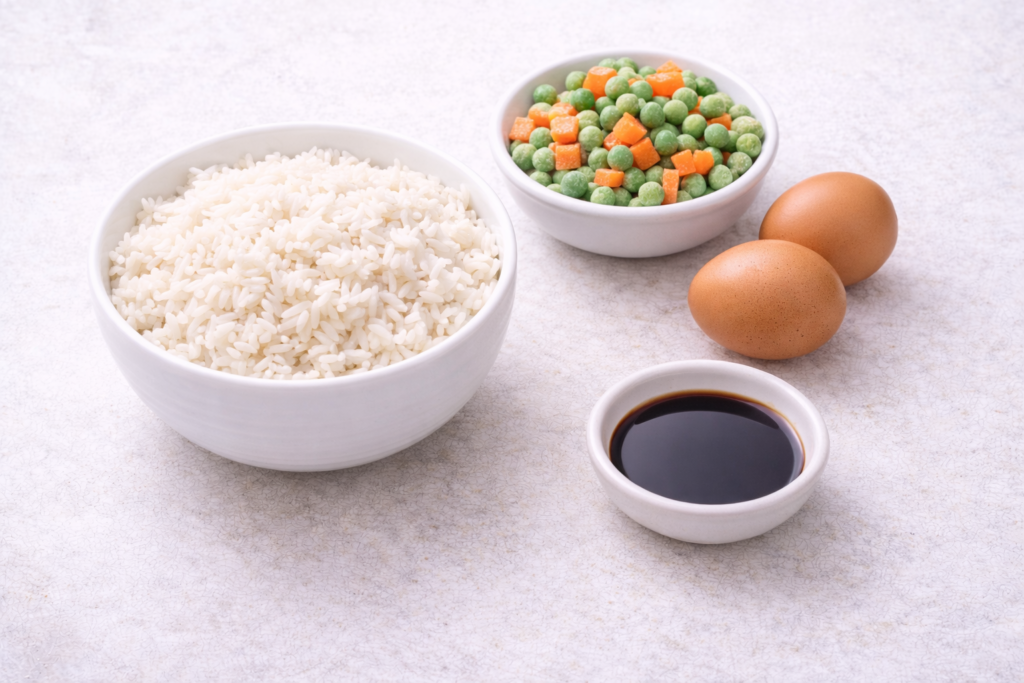
-
2 cups of cooked basmati rice
-
Frozen peas and carrots
-
Two eggs
-
Soy sauce
Step by Step
Heat a large pan with a little oil. Scramble the eggs first and move them to a plate. Now, toss in your veggies. Cook them until they are soft.
Add the cold rice to the pan. Break up any big clumps with your spoon. Pour in the soy sauce. Mix everything together on high heat. Add the eggs back in at the end. It is a full meal in one pan.
4. Coconut Basmati Rice
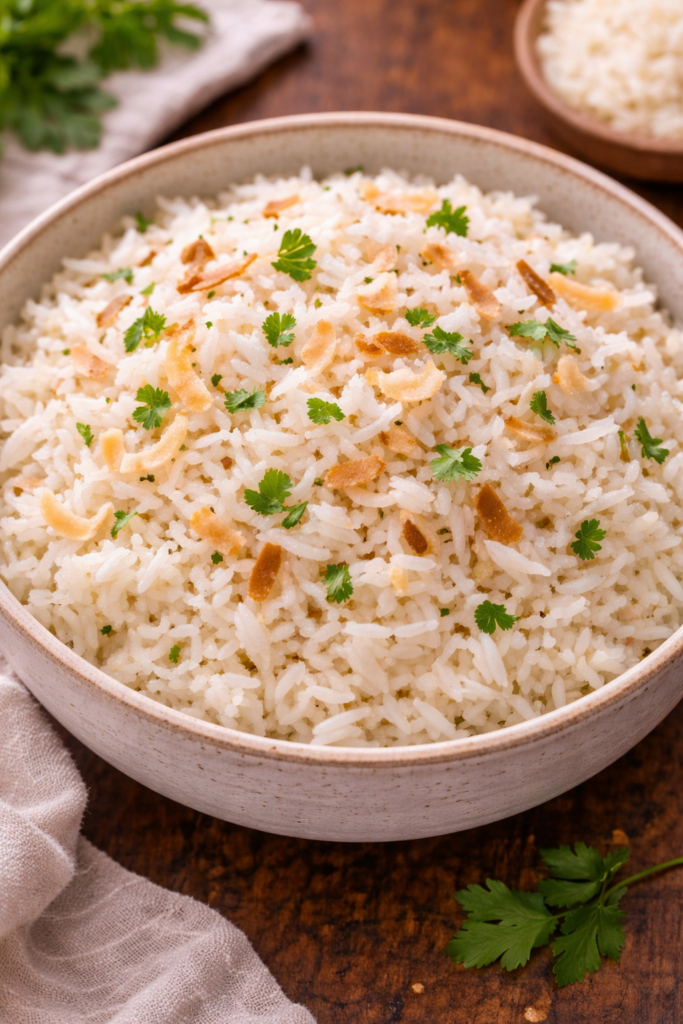
Imagine you are on a tropical beach. That is what this rice tastes like. It is creamy, sweet, and a bit salty. It goes perfectly with spicy food.
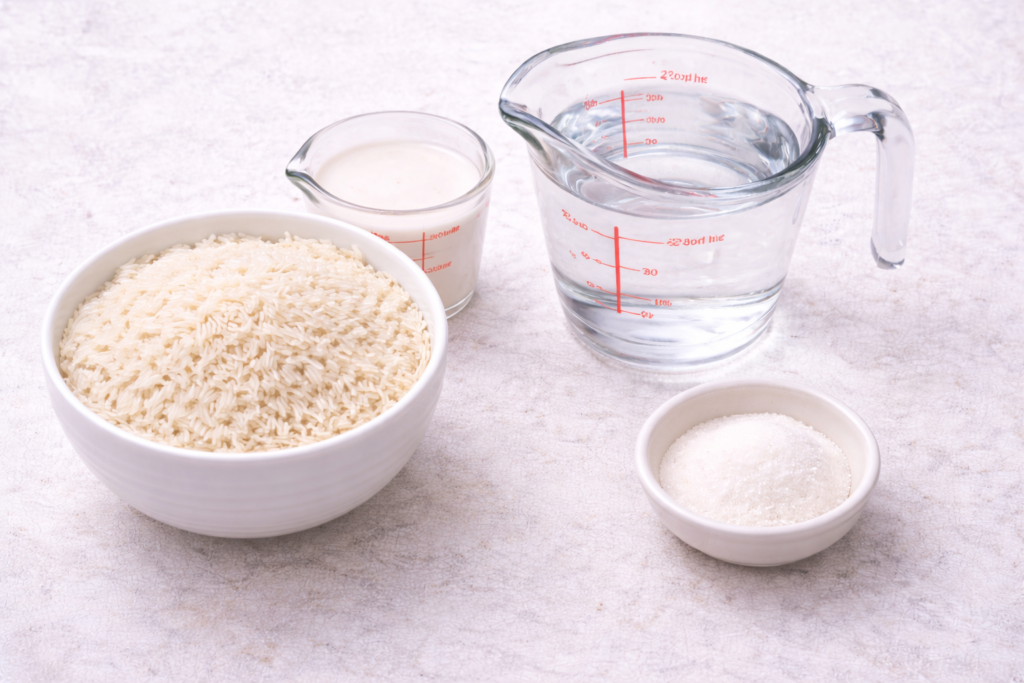
Ingredients
-
1 cup of rice
-
Half a cup of coconut milk
-
One and a half cups of water
-
A little sugar
Step by Step
Mix the coconut milk and water in your pot. Add the rice and a tiny bit of sugar. The sugar helps bring out the coconut flavor.
Cook it on low heat until the liquid is gone. The rice will be very soft and smell like a dream. Personally, I think this is the best side dish for shrimp.
5. Cumin and Onion Rice (Jeera Rice)
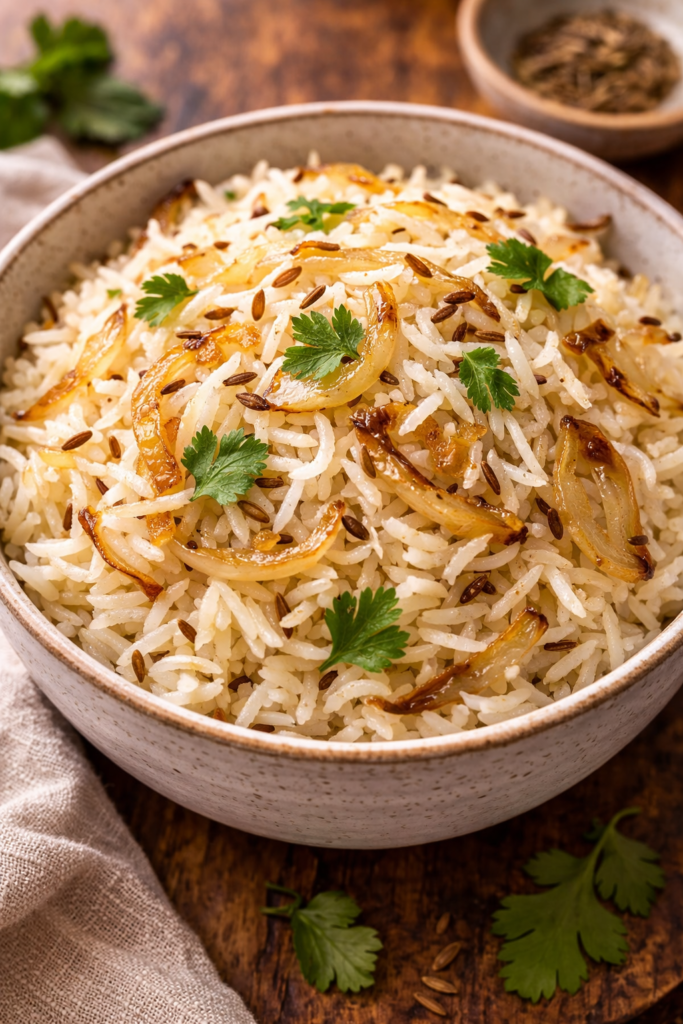
This is a very popular dish in many Indian homes. It is called Jeera Rice. It is simple but tastes very fancy.
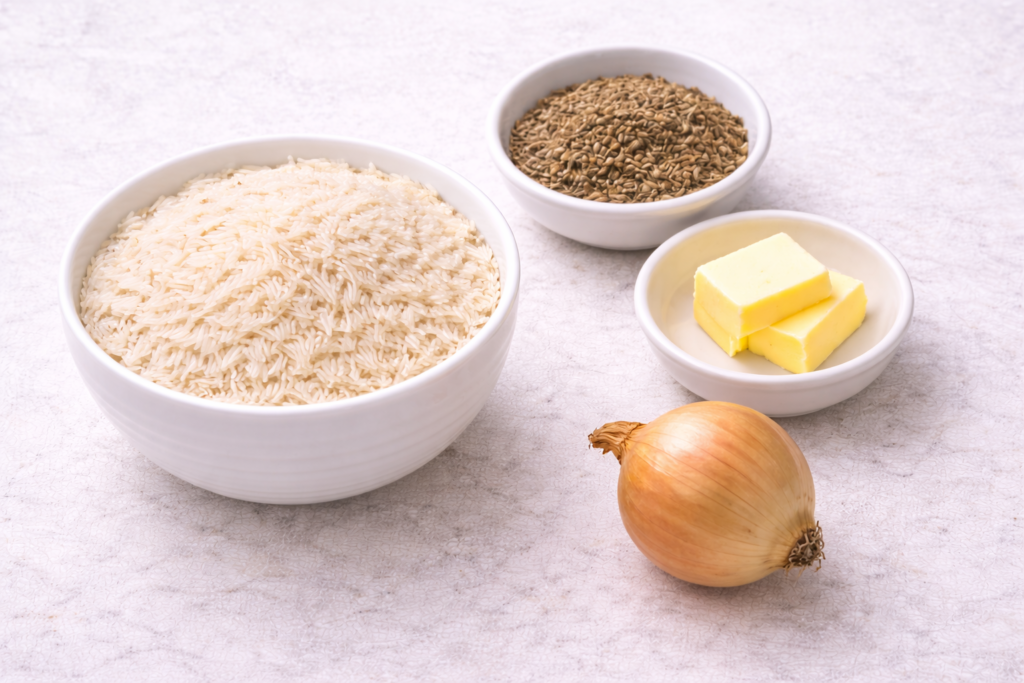
Ingredients
-
Basmati rice
-
Cumin seeds
-
One small onion
-
Butter
Step by Step
Slice the onion into thin pieces. Melt butter in a pot. Fry the cumin seeds until they pop. Add the onions and cook them until they are brown and sweet.
Add your washed rice and water. Cook it as usual. The toasted cumin gives a nutty flavor that is hard to beat. You might want to make extra because it disappears fast.
6. Lemon Herb Basmati Rice
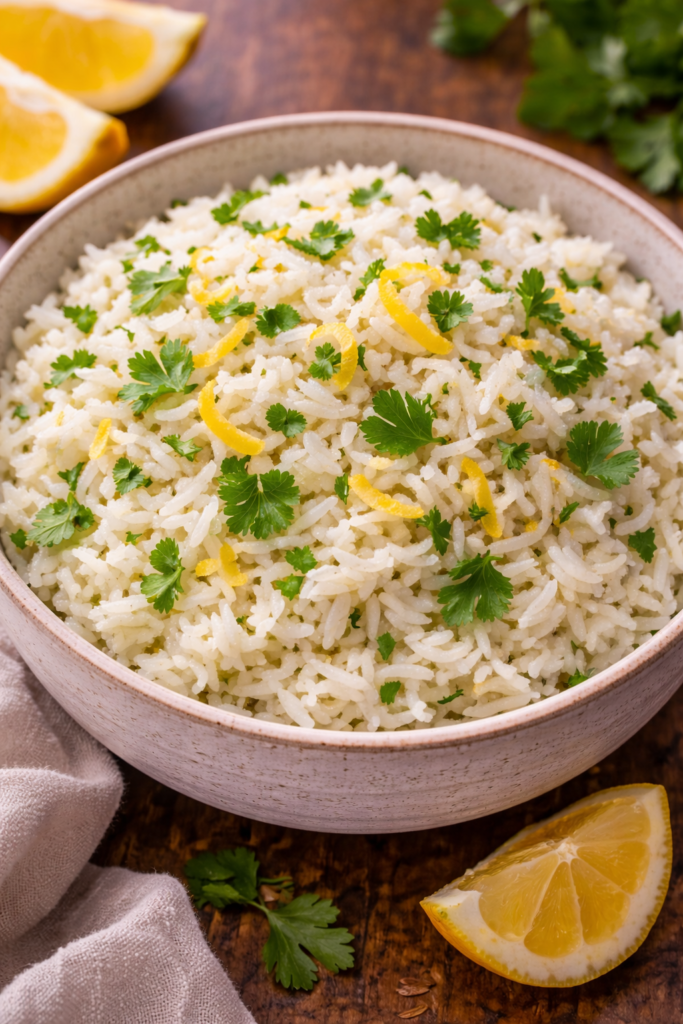
If you like fresh flavors, you should try this. It is light and zingy. It is my favorite thing to eat during the summer.
Ingredients
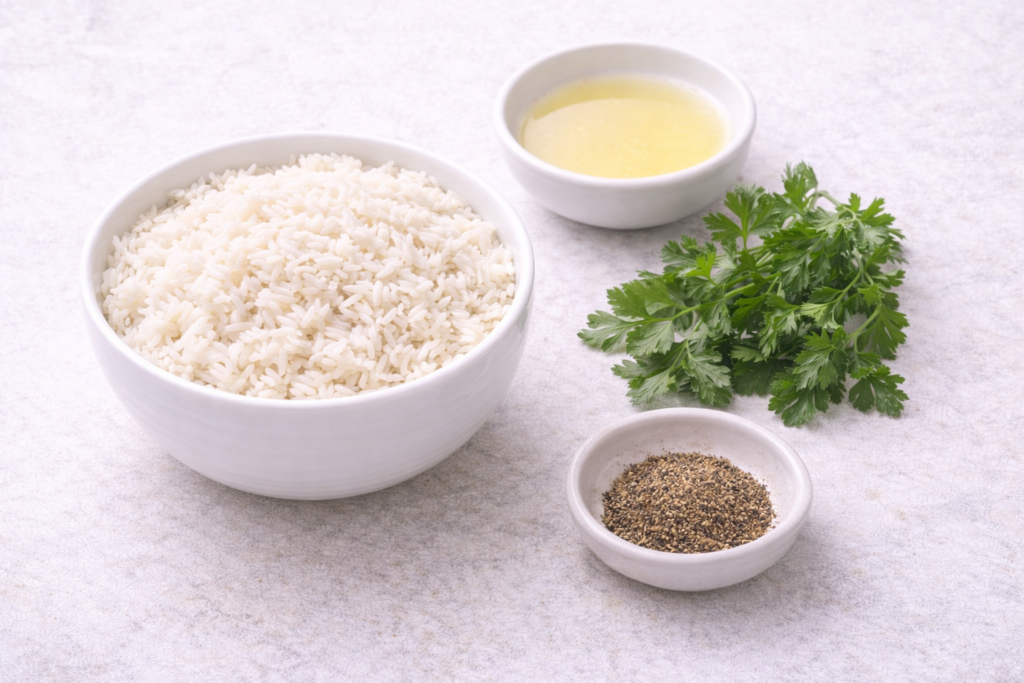
-
Cooked basmati rice
-
Fresh lemon juice
-
Fresh parsley or cilantro
-
Black pepper
Step by Step
Once your rice is cooked and hot, squeeze a whole lemon over it. Sprinkle in your chopped herbs. Add a little pepper.
Mix it gently so you do not break the long grains. This rice is perfect with grilled salmon. It is so refreshing.
7. Garlic Butter Rice
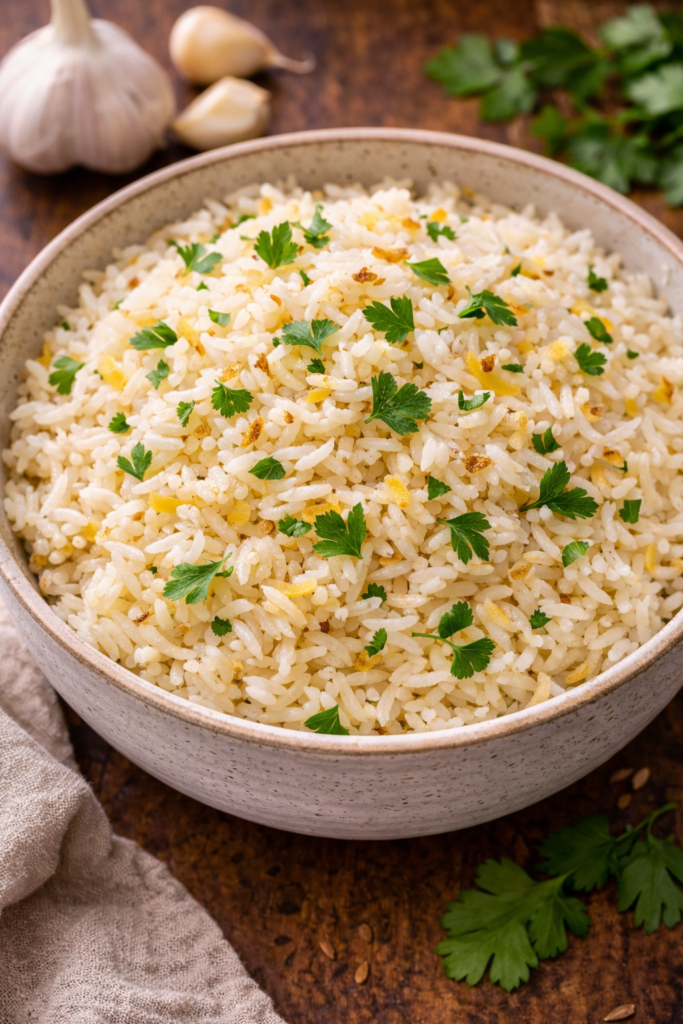
Who does not love garlic butter? This recipe is a huge hit with kids. It is very comforting and savory.
Ingredients
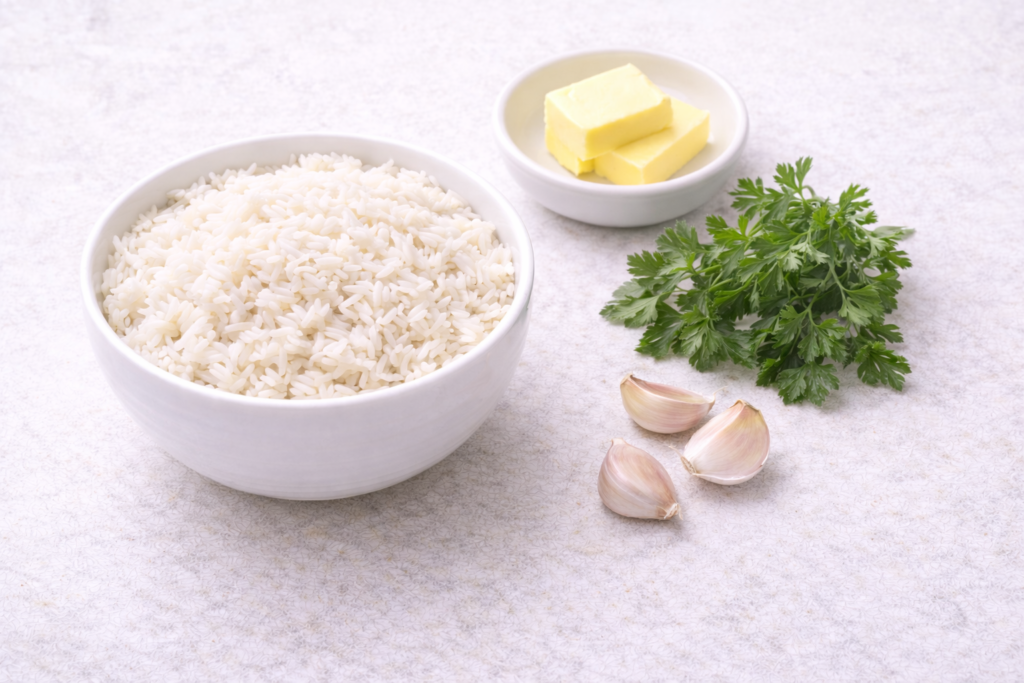
-
1 cup of rice
-
3 cloves of garlic
-
3 tablespoons of butter
-
Parsley for garnish
Step by Step
Melt the butter in your pot. Add minced garlic. Cook it for just one minute. Do not let it burn or it will taste bitter.
Add the rice and stir it so every grain is coated in butter. Add your water and cook. The whole house will smell amazing. One tip is to add a little extra butter at the end for more shine.
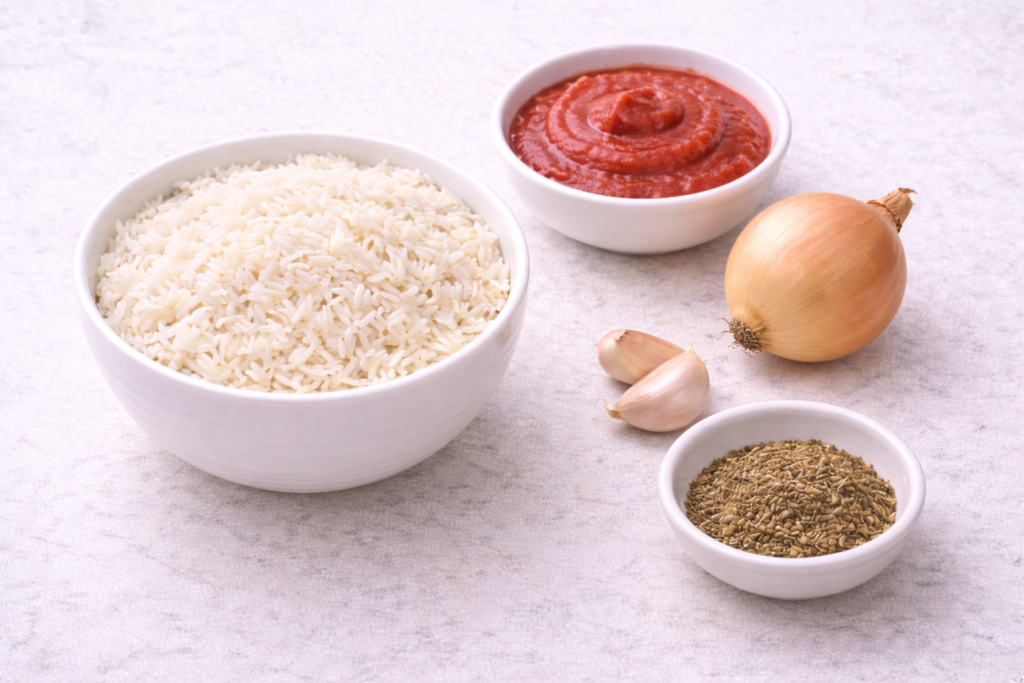
8. Tomato Basmati Rice
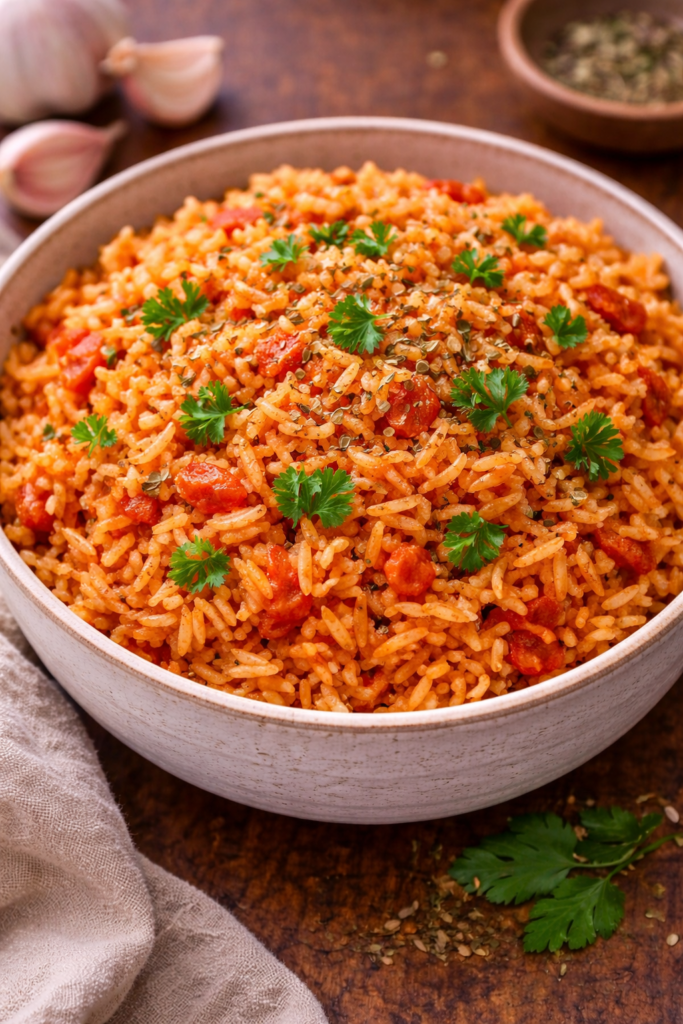
This is a great way to use up extra tomatoes. It is a bit like a Spanish rice but with the long grains of basmati.
Ingredients
-
Rice
-
Tomato paste or crushed tomatoes
-
Onion and garlic
-
Dried oregano
Step by Step
Sauté the onion and garlic first. Stir in two tablespoons of tomato paste. Add your rice and water.
The rice will turn a pretty red color. The oregano makes it taste like a bit like pizza rice. My kids really love this one. It is a fun twist on a classic grain.
9. Sweet Cinnamon and Raisin Rice
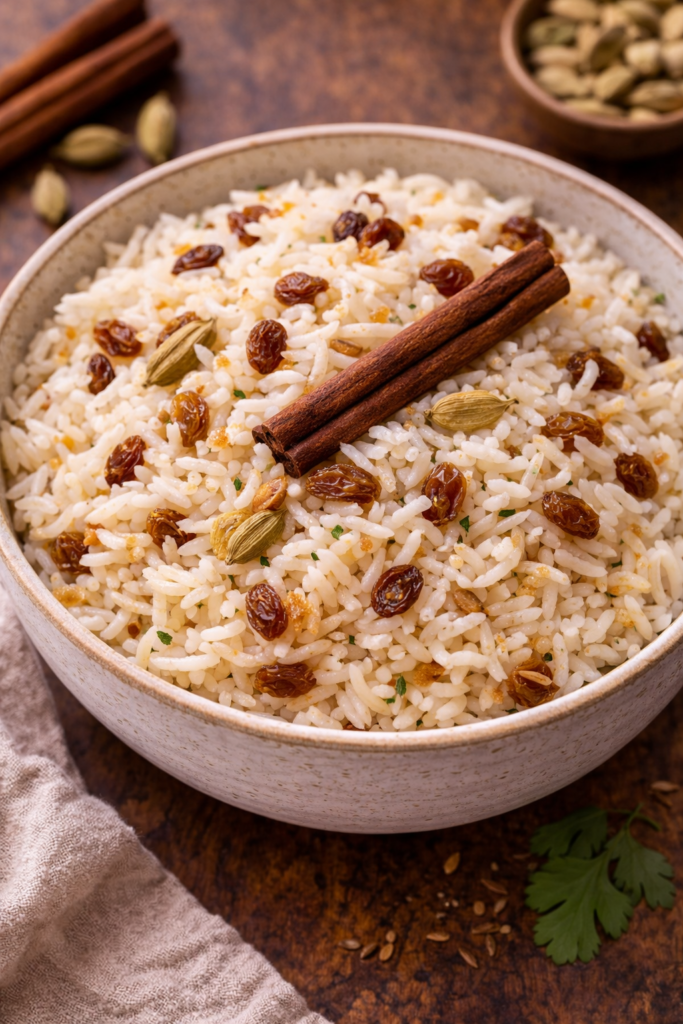
Did you know rice can be a side dish for savory meat or even a dessert?
This version is warm and cozy.
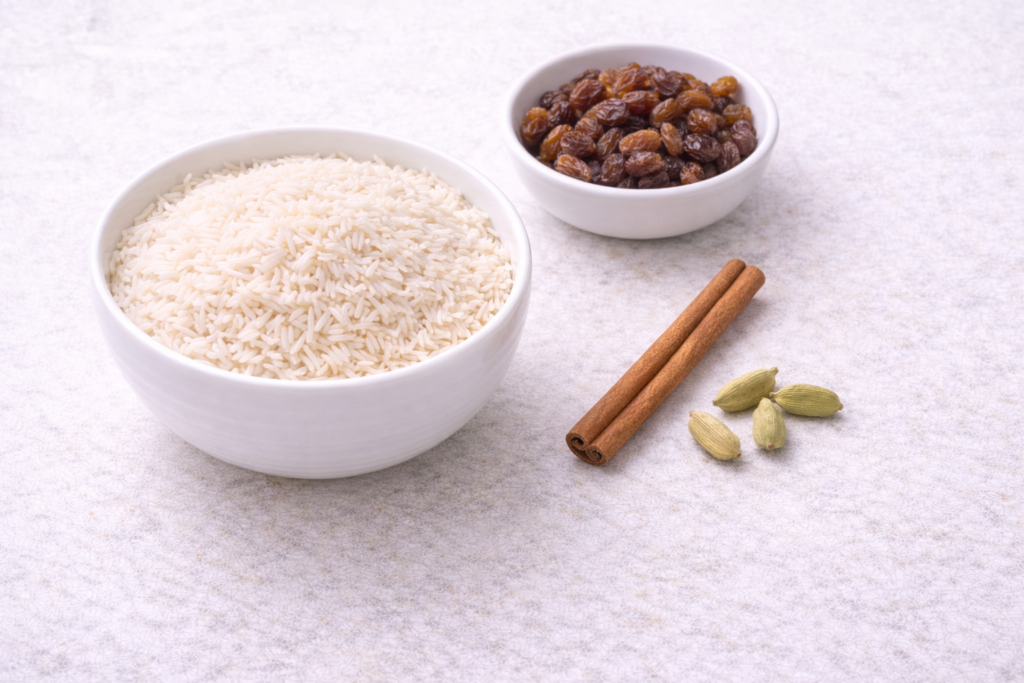
Ingredients
-
Basmati rice
-
One cinnamon stick
-
A handful of raisins
-
A few cardamom pods
Step by Step
Put the cinnamon stick and raisins in the pot with the rice and water. As the rice cooks, the raisins puff up and become juicy.
The cinnamon gives a warm scent to the long grains. This is often served at weddings or special parties. It feels very special but it is easy to make.
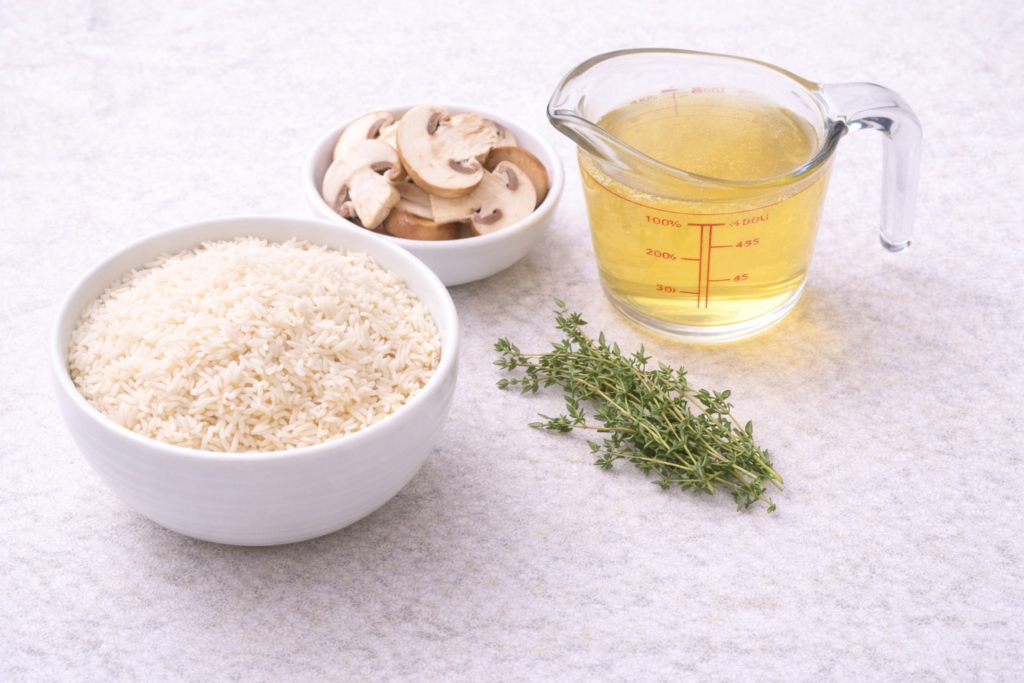
10. Mushroom and Thyme Rice
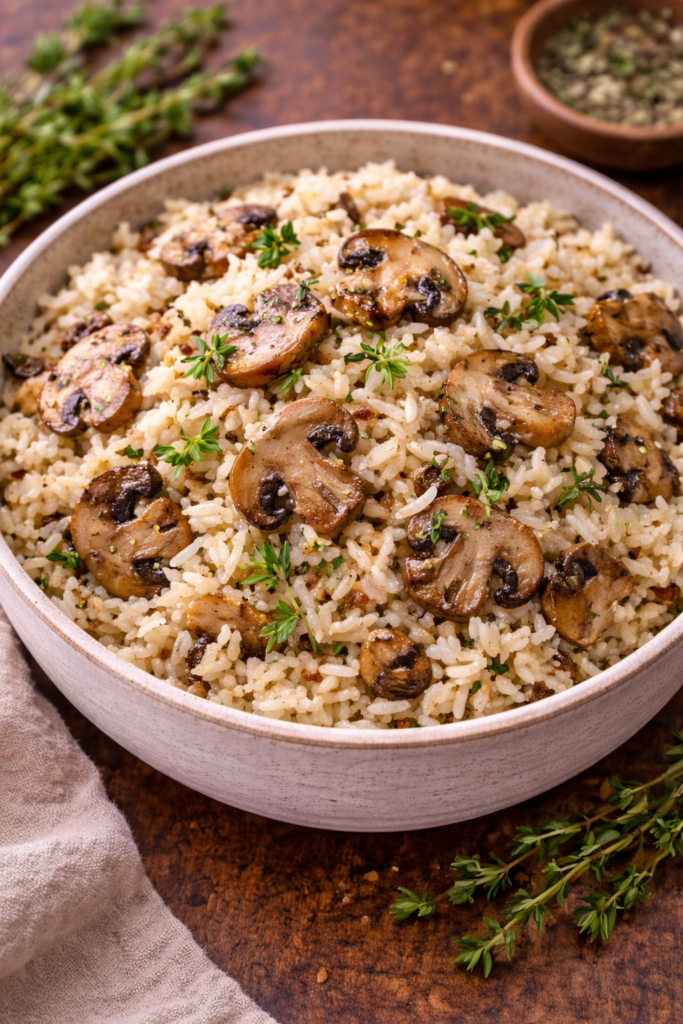
This is a very earthy and rich dish. It feels like something you would get at a high end restaurant.
Ingredients
-
Rice
-
Sliced mushrooms
-
Fresh thyme
-
A splash of white grape juice or broth
Step by Step
Fry the mushrooms in a pan until they are dark and crispy. Add the thyme leaves. Stir in your rice and liquid.
The mushrooms give the rice a deep brown color and a lot of protein flavor. Believe it or not, even people who do not like mushrooms often love this rice.
My Best Tips for Success
Here is what you can do to make sure your rice is perfect every time.
Always Rinse: I know I said it before, but please do not forget to wash your rice. It removes the extra starch.
The Right Ratio: Usually, two cups of water for one cup of rice is the rule. But check your package. Some brands need a bit less.
Don’t Peek: Keep that lid on. The steam does the cooking. If you let the steam out, the rice will be hard.
The Rest Period: Letting the rice sit for five minutes after the heat is off is the secret. It lets the moisture spread evenly.
FAQs
1. What if my rice is too crunchy?
A. If your rice is still hard, add two tablespoons of hot water. Put the lid back on and cook on very low for three more minutes.
2. Can I use a rice cooker for these recipes?
A. Yes, you absolutely can. Just add the extra ingredients like spices or butter right into the machine with the rice and water.
3. How long does cooked basmati rice last in the fridge?
A. It usually stays fresh for about four to five days. Make sure to keep it in a sealed container.
4. Is basmati rice better than jasmine rice?
A. Well, it depends on what you like. Jasmine rice is a bit sticky. Basmati is very dry and fluffy. For these recipes, basmati is definitely the winner.
5. How do I stop the rice from sticking to the bottom of the pot?
A. Make sure your heat is very low. Also, using a pot with a thick bottom helps spread the heat better.
Final Thoughts
So, there you have it. Ten easy ways to turn a simple grain into a star meal. Whether you want something spicy, sweet, or savory, basmati rice is the answer.